6 hr 30 min
Stonehenge Morning Tour from London with Priority Access
Beat the crowds at Britain's iconic ancient stone circle with early morning entry and guided transport
Reserve
Hand-picked by our editors — only the best 5 experiences from 18 reviewed.
Verified partners for every tour, free cancellation where available, and instant confirmation on every booking.
6 hr 30 min
Beat the crowds at Britain's iconic ancient stone circle with early morning entry and guided transport
Reserve
11 hr
Discover ancient wonders and Georgian elegance on this comprehensive countryside adventure
Reserve
12 hr
Journey through centuries of English heritage visiting a royal castle, prehistoric monument, and Georgian spa city
ReservePrices from verified partners. Availability updates in real time at checkout. Free cancellation policies apply where shown.
The landmarks, rooms, and views travelers on this tour remember — all visible on a single visit.
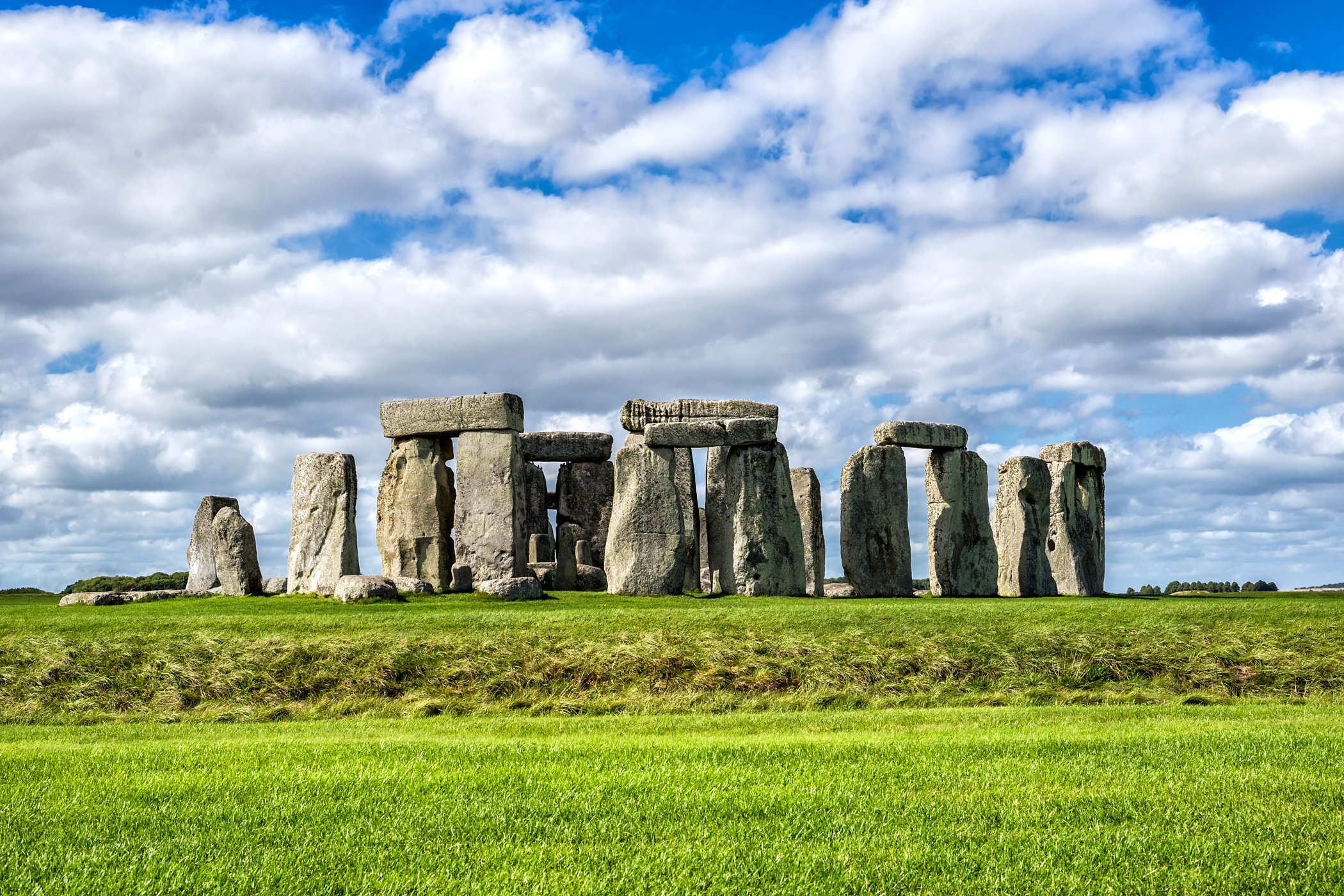
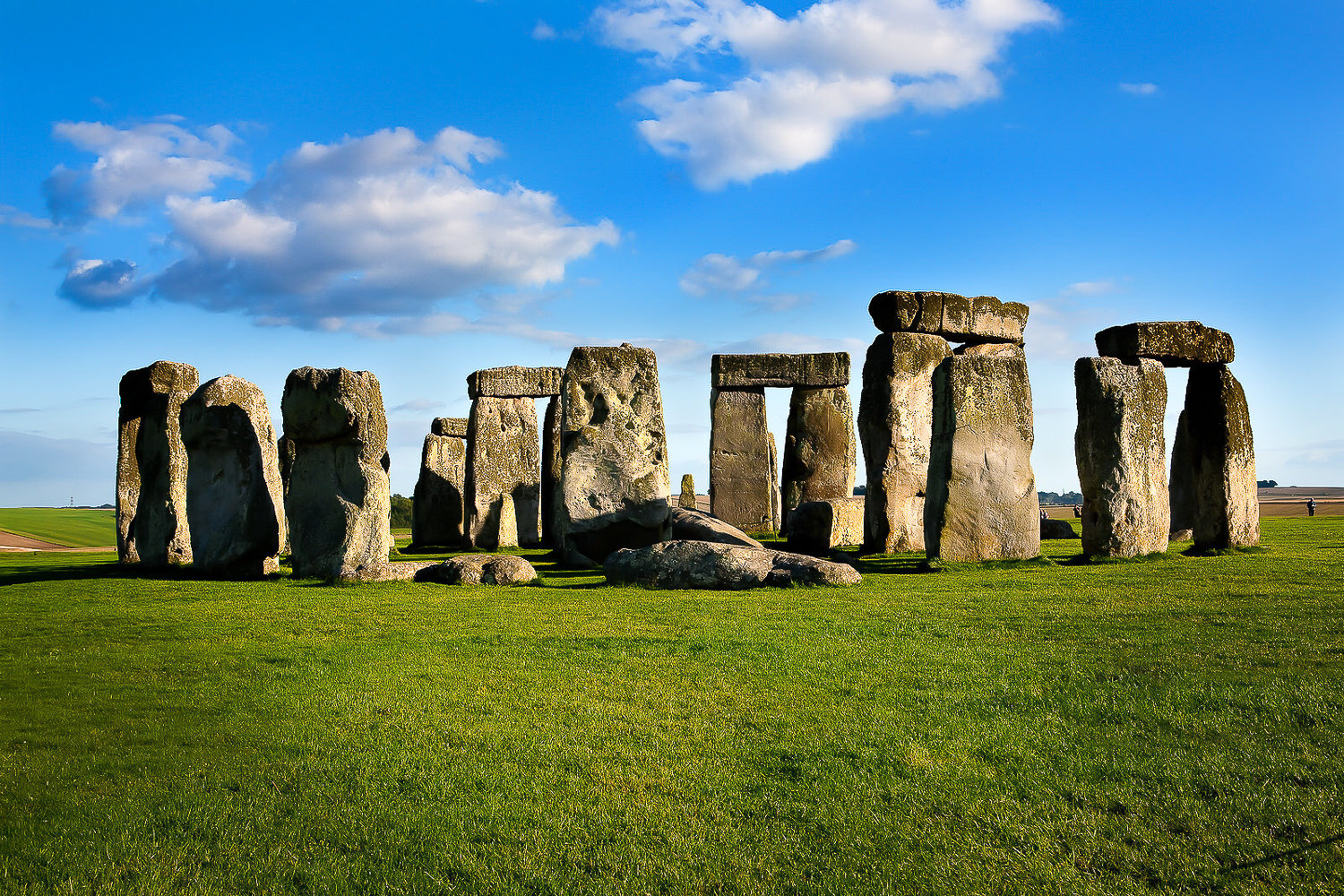
View the iconic prehistoric monument up close from the visitor path and discover its ancient alignment.
Step back in time at these reconstructed dwellings to see how prehistoric people lived 4,000 years ago.
Explore over 250 archaeological treasures and come face to face with a 5,500-year-old man.
Wander the wider world heritage landscape to discover hidden burial mounds and ancient processional paths.
The Stonehenge and Cotswolds day tour provides a tranquil exploration of rural English landscapes, whereas the Bath alternative offers a deep dive into Roman engineering and Georgian urban heritage; most visitors find the countryside route more serene. Choosing between these stonehenge and cotswolds day tour tours requires balancing a preference for pastoral scenery against the pull of classical architecture.
| Feature | Top pick Stonehenge & Cotswolds | Stonehenge & Bath |
|---|---|---|
Primary Focus |
Rural villages and scenery | Roman history and architecture |
Travel Time from London |
2.5–3 hours each way | 2–2.5 hours each way |
Scenic Value |
High village charm | High urban aesthetic |
Historical Depth |
Low to moderate | High (Roman & Georgian) |
Walking Intensity |
Moderate | High (city hills) |
| See tickets → |
Verdict: If you are deciding between booking stonehenge and cotswolds day tour tickets or a trip to Bath, prioritize the Cotswolds for relaxing vistas and Bath for an immersive historical experience.
Choose your ticket, select your date, and reserve in under two minutes. Secure checkout handled by our verified partner.
Instant confirmation by email, with a mobile voucher you can save offline. No printing, no queuing at a collection desk.
Arrive at the entrance, show your voucher on your phone, and walk in. Most tickets include priority or skip-the-line access.
Practical details for your visit straight from our verified partners — hours, access, rules, and how to get there.
Dress in layers to account for unpredictable British weather. Sturdy footwear is recommended for walking along the grass and chalk paths near the monument.
There are no luggage storage facilities available at the site. Please carry only small, essential bags with you throughout your visit.
Personal photography and video are welcome throughout visitor areas. Commercial filming or photography requires prior written permission from English Heritage.
The site is highly accessible, featuring a wheelchair-friendly visitor centre and an accessible shuttle service to the stone circle. Designated parking bays are located near the visitor entrance for permit holders.
Families are welcome, with plenty of space to explore around the monument. The site is a popular destination for educational days out, offering interactive exhibitions for all ages.
An onsite cafe provides snacks and beverages, and there is a designated picnic area available in the monument field. Refill stations for water bottles are conveniently located at the Visitor Centre.
Best time to go, insider tips, nearby landmarks, and the cancellation fine print — flip through to skim what matters to you.
Flexible, no hidden fees.
Tickets are eligible for free cancellation until the day before your visit. Full refund terms apply to the 32 GBP standard adult gate price if cancelled within the designated window.
Stonehenge's sarsen stones were hauled 25 kilometres from Marlborough Downs around 2500 BCE, each trilithon lintel lifted five metres into position without metal tools or wheeled transport. The bluestones, smaller but no less significant, traveled 240 kilometres from the Preseli Hills in Wales, their glacial transport theory now largely dismissed in favour of human effort across water and land. The monument's alignment with the summer solstice sunrise and winter solstice sunset suggests a calendar function, though whether Stonehenge served as a healing temple, ancestral burial ground, or astronomical observatory remains contested. What is certain: this was a place of pilgrimage for over a millennium, its builders reshaping the site across generations. Today the stone circle draws over one million visitors annually, its silhouette recognised worldwide yet best understood in the company of the Wiltshire landscape that produced it. The chalk downland, the Avenue processional route, and the nearby Cursus monument form a ritual complex spanning three square kilometres. Modern conservation efforts balance public access with preservation — a low-profile visitor centre opened in 2013, removing the old car park from view of the stones and restoring the skyline to something closer to its Neolithic profile. Timed entry tickets regulate flow, and a fleet of electric shuttle buses ferries guests across the grassland, keeping exhaust and tyre tracks away from the monument's immediate setting. The Cotswolds, 80 kilometres northeast, offer a counterpoint in scale and material. Built not from megaliths but from oolitic limestone quarried locally, the region's villages — Bourton-on-the-Water, Bibury, Castle Combe — present a vernacular architecture refined over six centuries. The stone's honeyed tint, warm in morning light and rose-tinged at dusk, unifies farmhouse, church, and cottage into a single visual language. Wool wealth funded much of this construction between the 14th and 17th centuries, when Cotswold fleece commanded premium prices across Europe. The legacy is visible in the oversized 'wool churches' that punctuate market towns, their perpendicular Gothic towers financed by merchant families whose brasses still lie underfoot. A Stonehenge and Cotswolds day tour pairs deep prehistory with late-medieval prosperity, moving from the open downland of Salisbury Plain to the intimate valleys of the Cotswold escarpment. The journey itself traces England's longue durée, from standing stones to dry-stone walls, from ritual enclosure to sheep-grazed pasture. Most tours departing London allow two hours at Stonehenge — enough to walk the full perimeter, visit the reconstructed Neolithic houses, and absorb the scale of the sarsen circle — before continuing north through Wiltshire and into Gloucestershire. Afternoon stops in two or three Cotswold villages provide contrast: where Stonehenge demands reverence, the Cotswolds invite wandering, their tea rooms and stone bridges scaled to human pace rather than cosmic time.
"The sarsen stones were hauled 25 kilometres from Marlborough Downs around 2500 BCE, each trilithon lintel lifted five metres into position without metal tools or wheeled transport."
A step-by-step walkthrough of the visit — what you'll see, how long each stage takes, and the details that matter.
You leave London before first light, the coach heading west through Berkshire as the sky pales over the M4 corridor. Two hours later you're standing on Salisbury Plain, the stone circle 200 metres ahead across cropped grass, its scale ambiguous until you draw close and realise each upright is twice your height. Priority access means you walk the perimeter rope while the first tour buses are still queuing at the visitor centre; the low morning sun casts long shadows from the trilithons, and you can see the tongue-and-groove joinery that locked the lintels in place 4,500 years ago. Forty minutes is enough to complete the circuit, photograph the heel stone from the avenue approach, and spend ten minutes inside the museum examining the archer's burial goods and the digital reconstruction that shows the monument complete. By mid-morning the coach climbs north into the Cotswolds, the landscape shifting from chalk plateau to limestone wold. You stop first in a village whose name you learn is Saxon — Bibury or Castle Combe — and you have 45 minutes to walk the high street, cross the stone footbridge, and watch mallards paddle beneath willow branches. The second village is smaller, less visited: a Norman church, a row of weavers' cottages, a single tearoom with scones and clotted cream. You're back in London by early evening, the day's arc complete, prehistory and the wool trade compressed into ten hours and 400 kilometres of rolling English countryside.
Stonehenge is open daily from 09:30–18:00. These hours apply to your stonehenge and cotswolds day tour visit.
Yes, advance booking for stonehenge and cotswolds day tour tickets is highly recommended to guarantee your entry time.
Yes, Stonehenge offers step-free access and shuttle buses, making the stonehenge and cotswolds day tour accessible to most visitors.
The best arrival window is 09:30–11:00 to avoid the largest tour bus crowds and mid-day peak heat.
No, there is no luggage storage at Stonehenge, so please plan accordingly for your stonehenge and cotswolds day tour.
Yes, you may bring your own food and enjoy it in the designated picnic areas during your stonehenge and cotswolds day tour.
Wear comfortable layers and sturdy footwear, as the site is exposed during your stonehenge and cotswolds day tour.
Personal photography is welcome at Stonehenge, which is a highlight of any stonehenge and cotswolds day tour.
Only assistance dogs are permitted at the Stonehenge site during your stonehenge and cotswolds day tour.
The standard adult gate price for general admission is 32 GBP.